ServicesRoof replacement
Roof Replacement in El Mirage, With the Yard Left Tidy
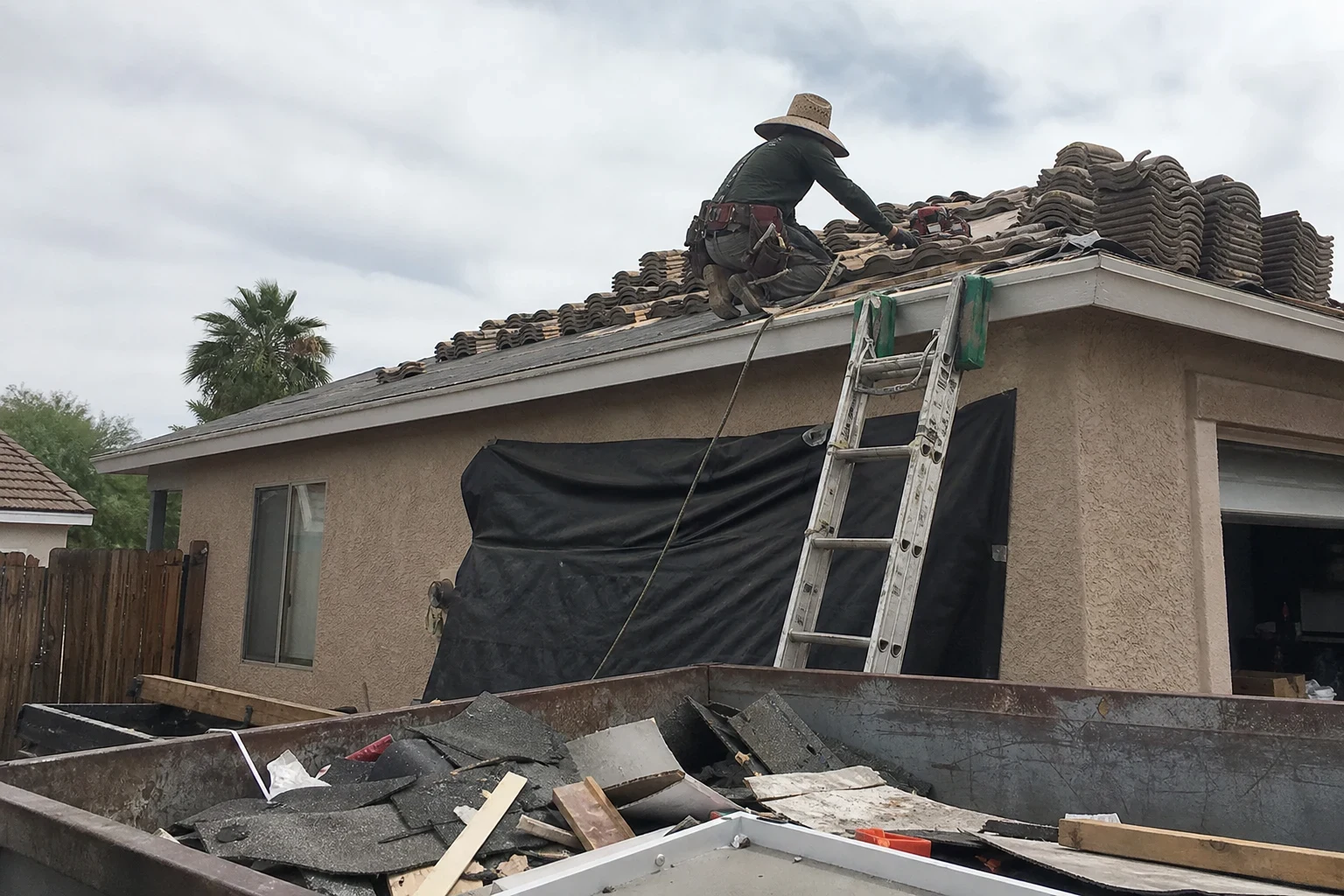
When the underlayment under your tile is done, or the shingles have baked through, we replace the roof and keep your home clean while we do it. Plants get covered, the pool gets protected, and the yard is swept before the crew goes home each day.
When a new roof is the right call
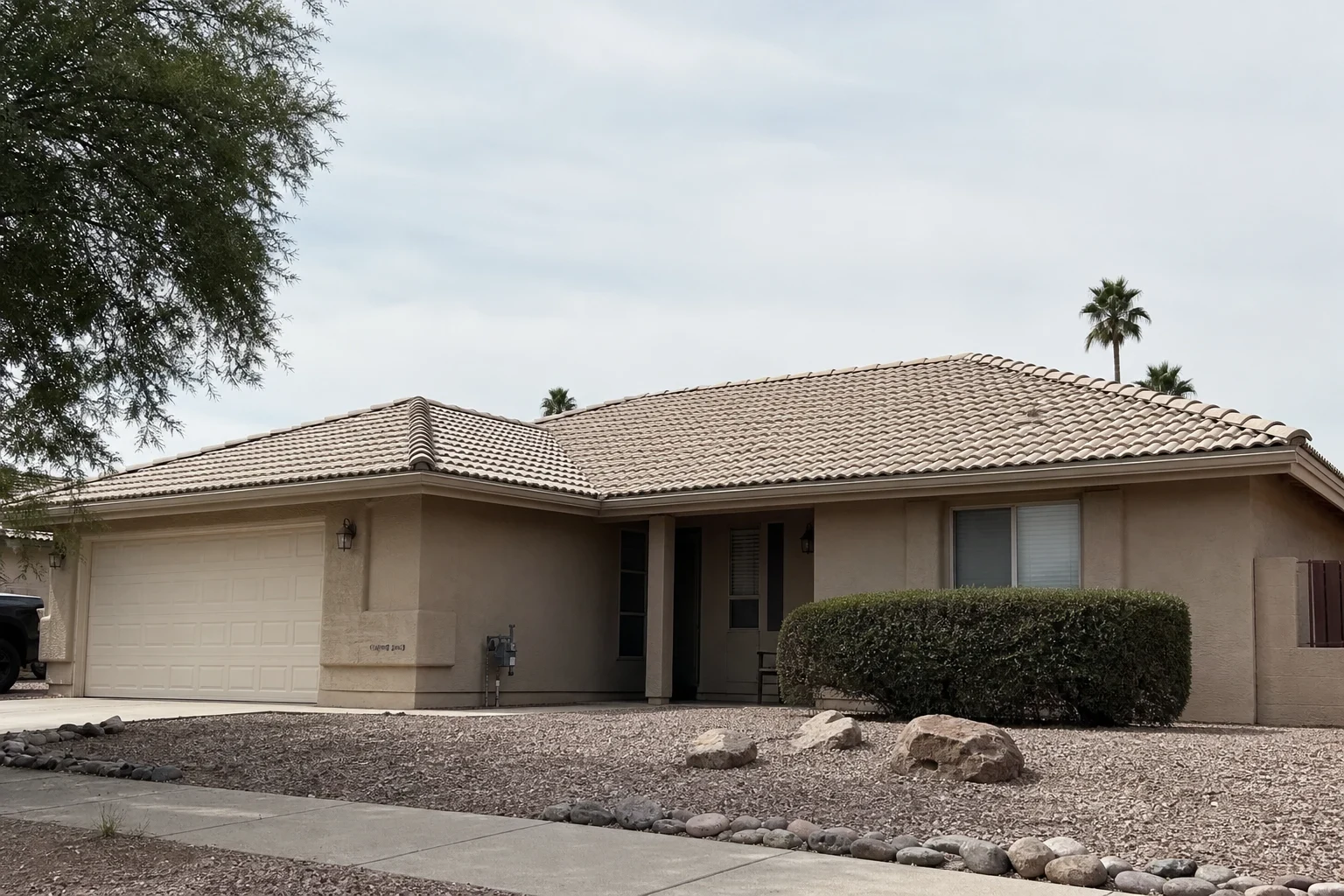
Most homes in El Mirage have concrete tile over a felt or synthetic underlayment. The tile can last a very long time. The underlayment under it usually doesn't. After years of desert sun and attic heat, it dries out, cracks and stops shedding the water that gets past the tile during a monsoon storm. At that point, patching one leak just moves the problem a few feet over.
Shingle roofs wear out from the top. Granules wash into the gutters, the asphalt bakes and the tabs curl or split. Low-slope sections over patios and additions have coatings that chalk and thin out over time.
We tell you which kind of job you have. If a roof repair will carry you a few more years, we say so. If it won't, we show you photos of why. Then we run the job so your driveway, yard and pool look the same at the end as they did at the start.
What a replacement includes
- Tear-off to the deck
- We strip the old underlayment or shingles down to the wood. That's the only way to see what the roof is actually sitting on.
- Deck check and board repair
- We walk the bare deck and replace any boards that are soft, delaminated or stained through from old leaks. You see photos of anything we swap out before the new layers go on.
- New underlayment and flashing
- Fresh underlayment goes down, along with new flashing at walls, chimneys, valleys and roof-to-wall joints. Old flashing is a common leak spot, so we don't reuse it.
- Tile reset or new roofing
- If your tile is sound, we stack it, then lay it back on new battens and underlayment, replacing cracked pieces. If you want new tile or shingles, we go over the options and what each costs.
- Vents and attic airflow
- We check that intake and exhaust vents are sized and placed so the attic can breathe. In Valley heat, a hot attic shortens the life of everything up there.
- Daily cleanup
- Debris goes straight into the dumpster, not onto the lawn. Every evening we run a magnet over the driveway, walkways and gravel beds, where loose nails like to hide.
Signs your roof may need replacing
Leaks every monsoon season
A ceiling stain that comes back each summer, even after a patch, often means the underlayment has failed across a wide area.
Brittle paper under broken tiles
Lift a cracked tile and the felt underneath tears or crumbles like old newspaper. That layer is what actually keeps the water out.
Slipped tiles in many spots
A few loose tiles are a repair. Rows that have slid, or cracks all over the roof, point to bigger trouble with the battens and fasteners.
Bald or curling shingles
Heavy granules in the gutters, shiny patches and curled edges mean the shingles have lost their protection from the sun.
Repair bills keep stacking up
If you've paid for several fixes in a couple of years, a full reroof may cost less over time than the next round of patches.
What changes the price
We price your roof on what we actually find, never from a satellite image. Each part of the job has its own cost on the estimate. These are the things that push the total one way or the other.
Roof size and slope
A bigger roof takes more material and labor. Steeper slopes need added safety setup and slow the work down.
Old tile or new
Putting your current tile back saves on material. Some older tile styles are hard to match, so replacing the broken pieces can cost more.
Hidden deck damage
Rotted boards don't show until the old roof is off. Your estimate lists a per-board price ahead of time so nothing catches you off guard.
Extra layers, access and permit
Tearing off more than one shingle layer, working on a cramped lot and the city permit fee all show up in the total.
What the job looks like
- 1
Free inspection and itemized estimate
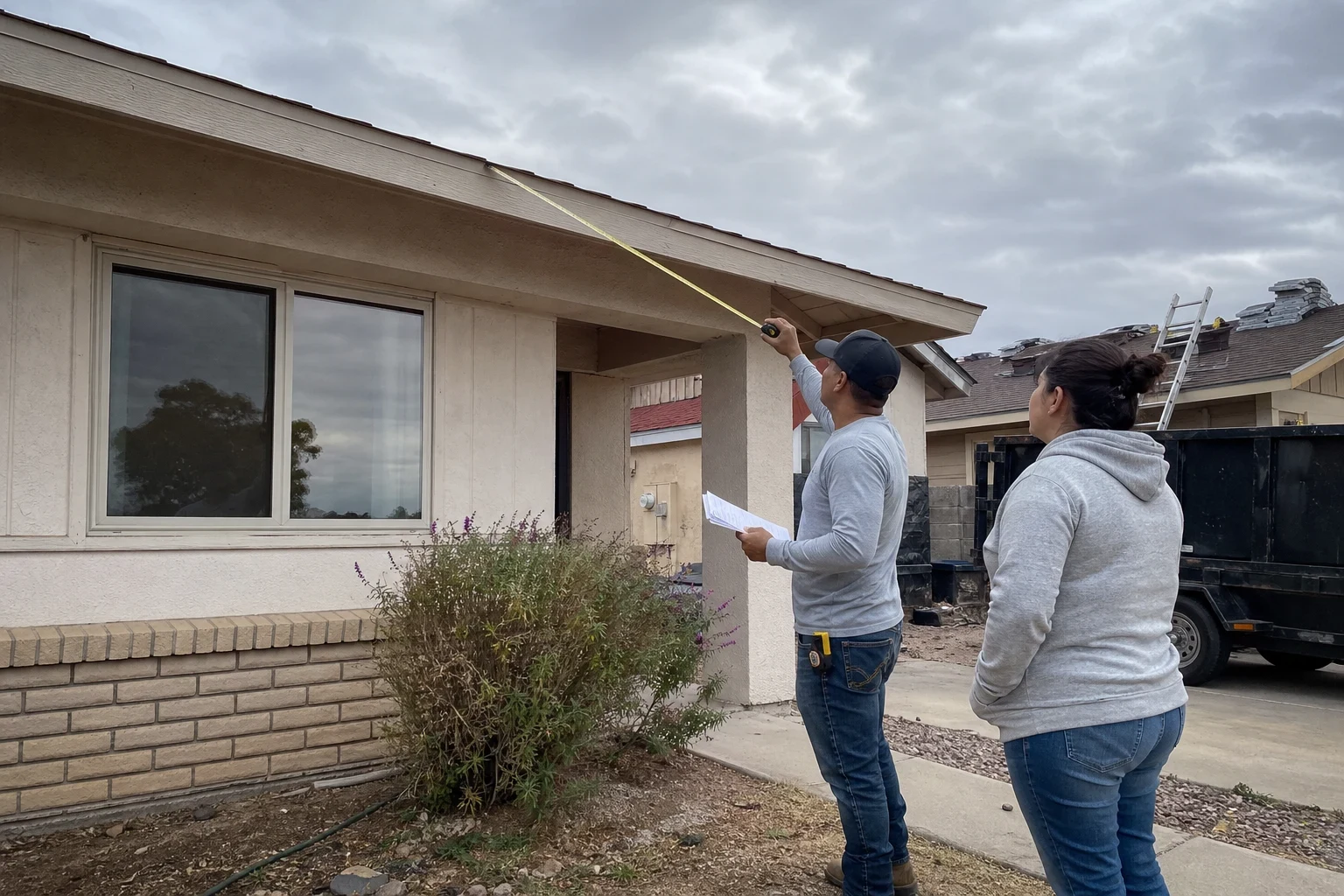
We go up on the roof, into the attic when possible, and take pictures. Your written estimate breaks the job out item by item.
- 2
Permit and start date
We get the permit and set the start. In the summer months we begin early so the hardest work wraps up before the afternoon heat.
- 3
Cover and protect
Before tear-off, shrubs and AC units get covered, the pool gets a cover and boards go under the dumpster to keep marks off the driveway. Cars are moved out of the way.
- 4
Remove and rebuild
We only strip what we can dry-in that same day. Old material drops straight into the dumpster, then new underlayment, flashing and roofing go down in sequence.
- 5
Last sweep and walk-around
We clear the gutters, run the magnet once more and go over the roof and yard with you. The permit inspection closes out the job.
Questions about a new roof
Can my current tile go back on?
Many times, yes. Concrete tile without cracks or heavy wear can be relaid over new underlayment. We count the pieces that need replacing and share that before you decide.
Can I be at home during the work?
Yes, and most homeowners are. Tear-off is loud and you'll hear the crew above you, but we keep doors and paths open so you can get in and out.
How do you protect my pool and gravel?
The pool gets covered before tear-off and debris stays out of the water. Nails disappear in decomposed granite, so we run a magnet over it every evening, not only at the end.
Do you work on roofs during summer?
Yes. The crew starts at first light and finishes the heaviest work before afternoon. In monsoon season we track the forecast and only open as much roof as we can cover that same day.
Who gets the permit?
We handle it. We pull the permit, book the inspection and meet the inspector if needed, so the paperwork isn't on you.
Do you replace roofs beyond El Mirage?
Yes. We also work in Surprise, Youngtown, Peoria, Glendale, Litchfield Park and Tolleson.
Thinking about a new roof?
We'll check the roof, walk you through the photos and hand you a written estimate. If a repair can hold for now, we'll say so.